About this Project
Today, due to the advancement of technology, the world around us is changing rapidly. Artificial intelligence, which has become a symbol of this advancement, has been able to affect human life and make things easier for it. Artificial intelligence has entered all aspects of our lives, such as communications, smartphones, transportation (urban and suburban travel), self-driving cars, navigation, digital life, smart homes, etc. Keeping up with these changes is the need of all human societies today. As mentioned, one of the branches in which artificial intelligence can have a great impact is Communications. Communication is one of the first human needs, which today, with the advent of technology, especially the Internet, has become an obligatory and universal matter, and smart devices have taken a large share. However, this has become a major challenge for people with speech disorders and has isolated them in society. Fortunately, artificial intelligence has solutions to this challenge, one of which is the subject of this research. Imagine if it were possible to use these same smart devices, such as smart mobile phones, and with the help of artificial intelligence speech recognition technology, to diagnose patients with speech disorders (dysarthria) with high accuracy (higher than human accuracy). How effective it could be in improving the quality of their communication.
This research project has started in line with the idea and topic of the thesis of Mr. (Reza Afshinmehr), a PhD student in Artificial Intelligence. The hypothesis of this thesis is that it is possible to recognize the speech of dysarthria patients and convert it into text using technologies, some of which we will define below.
Artificial Intelligence
Artificial intelligence (AI) is a branch of computer science that develops systems and algorithms that are capable of performing tasks that typically require human intelligence, such as learning, reasoning, problem solving, understanding natural language, and pattern recognition. The technology uses various methods such as machine learning, neural networks, and natural language processing to build systems that can learn from data, make decisions, and operate in complex environments. Artificial intelligence is recognized as one of the fundamental developments in various sciences and industries, and has had a profound impact in numerous fields such as medicine, automotive, finance, and communications.
Natural Language Processing-NLP
Natural language processing (NLP) is a branch of artificial intelligence and computational linguistics that deals with the interaction between computers and human language. The main goal of NLP is to develop algorithms and models that are capable of understanding, interpreting, and producing natural human language. This technology uses various techniques such as machine learning, statistical analysis, and neural networks to analyze and process text and speech to perform tasks such as automatic translation, speech recognition, sentiment analysis, and automated response. Natural language processing is widely used in applications such as search engines, virtual voice assistants, text analysis, and translation systems, and plays an important role in facilitating human-machine communication.

Automatic Speech Recognition-ASR
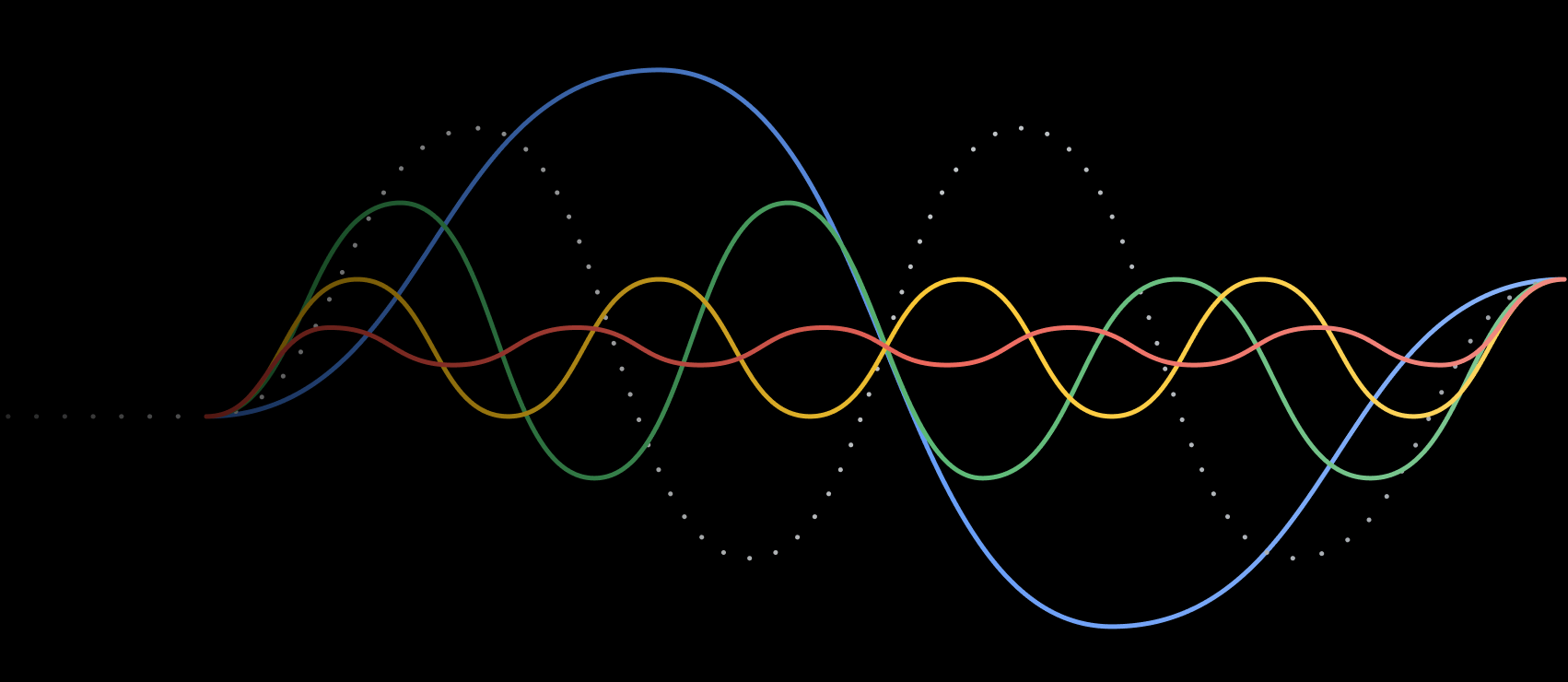
Automatic speech recognition (ASR) is a technology that enables computers and devices to convert human speech into text. ASR uses audio signal processing techniques, statistical models, and machine learning algorithms such as hidden Markov models (HMM) and deep neural networks (DNN) to identify speech patterns and convert them into equivalent text strings. The technology is used in applications such as voice assistants, speech recognition systems in cars, automatic captioning, and customer service, and its continuous improvement helps increase the accuracy and capabilities of human-machine interaction.
Dysarthria
Speech dysarthria is a motor speech disorder caused by weakness, slowness, or lack of coordination of the muscles involved in speech production. It usually occurs due to damage to the central or peripheral nervous system and can be the result of conditions such as stroke, brain injury, Parkinson's disease, or amyotrophic lateral sclerosis (ALS). Dysarthria may affect the clarity, speed, rhythm, and loudness of a person's speech, making it slurred and difficult to understand. Treatment for dysarthria usually involves speech rehabilitation and the use of compensatory techniques (such as this study) to improve the quality of communication.